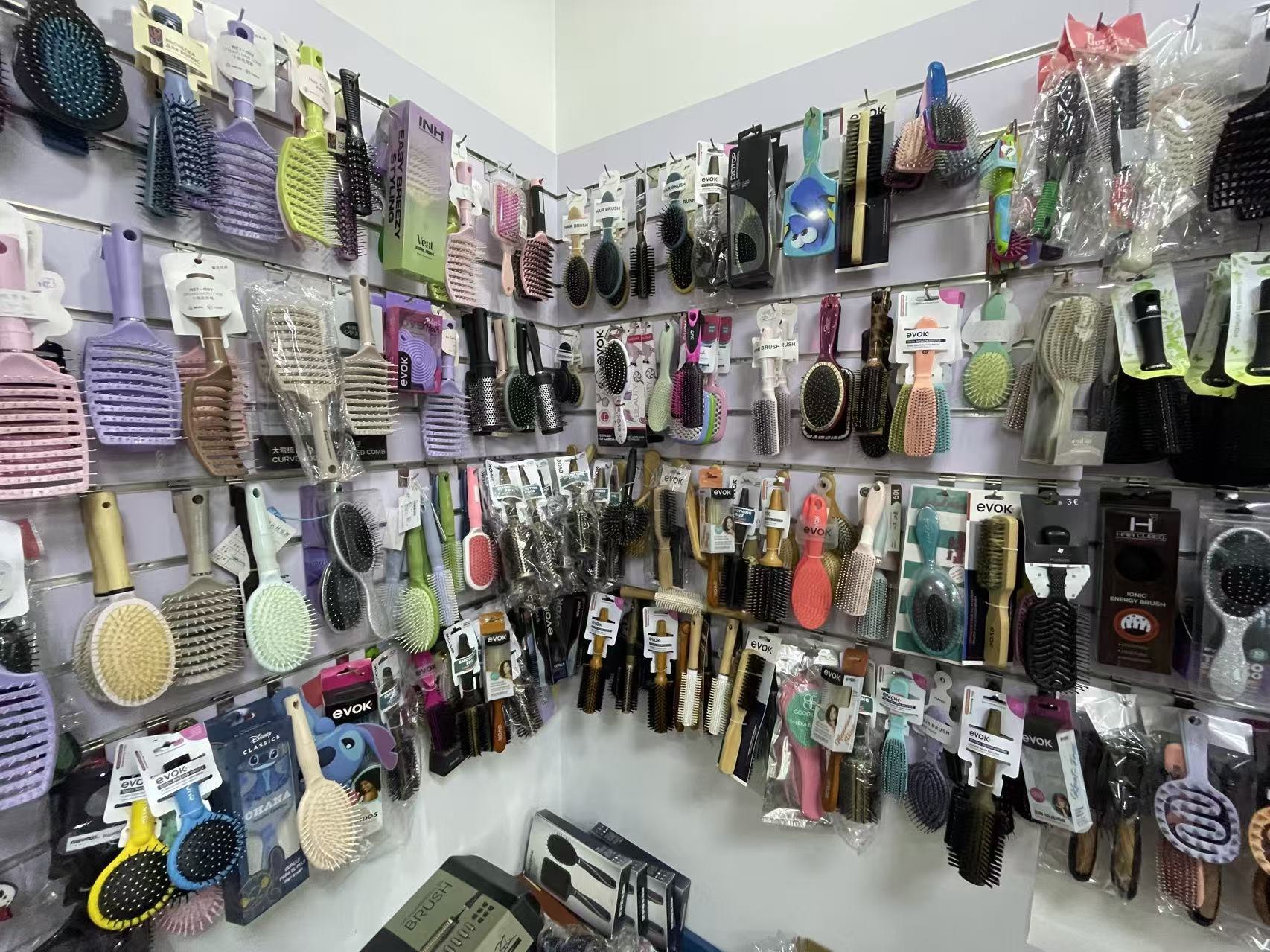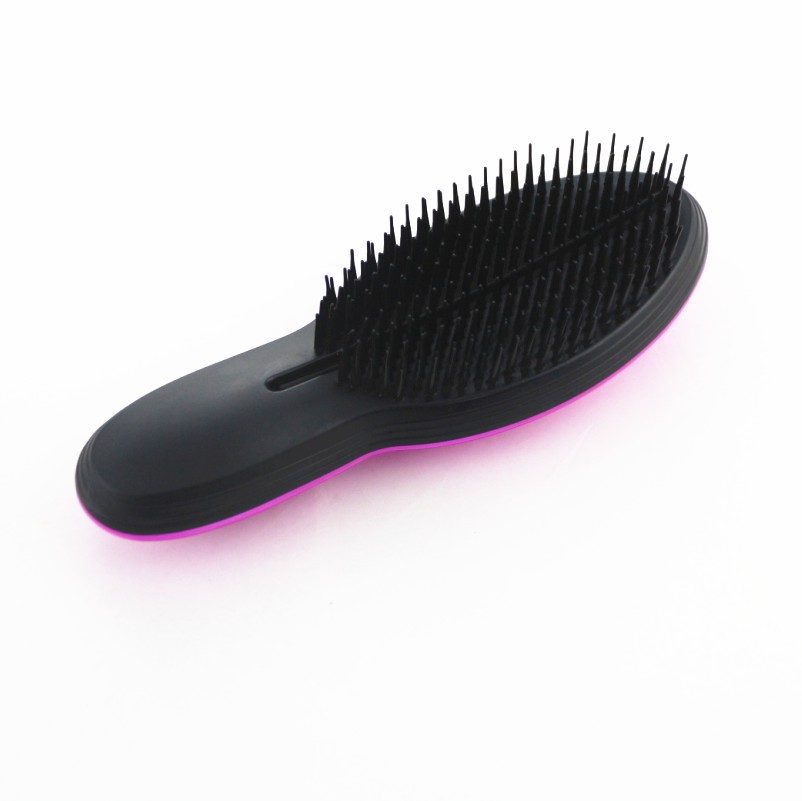
If you have ever sent the same brush specification to three hair brush wholesale suppliers and received three quotes that differ by 200% or more, you are not being cheated — you are being quoted on three different products and three different cost structures.
This guide breaks down the six factors that actually move the price of a custom hair brush, in the order they appear on a factory cost sheet: material, surface finish, cushion and bristle construction, packaging, order quantity, and shipping terms. It is written from the factory side of the table, so you can read a quote the way a production manager reads it.
One rule before we start: any honest factory will refuse to give you a firm unit price from a photo. If a supplier quotes you instantly without asking about bristle type, packaging and order quantity, the quote is a guess — and it will change later.
1. Why Two Suppliers Quote Very Different Prices for the "Same" Brush
Three things usually explain the gap.
Different specifications behind the same words. "Plastic cushion brush with nylon bristles" describes a $0.40 brush and a $1.20 brush. The difference is wall thickness, bristle diameter and tip treatment, cushion density, whether the handle is solid or hollow, and whether the logo is printed or molded in.
Different cost bases. A trading company quoting you a factory price plus margin is not the same as a factory quoting you its own production cost. Neither is wrong, but you need to know which one you are talking to.
Different scope. One quote is FOB Ningbo with OPP bag packing; another is DDP your warehouse in Hamburg with color box and display carton. The products may be identical and the prices 40% apart.
The fix is always the same: compare quotes line by line, on the same Incoterm, with the same packaging, at the same quantity.
2. The Six Cost Drivers at a Glance
| Cost driver | Typical share of unit cost | What moves it most |
|---|---|---|
| Material (PP / ABS / wheat straw) | 20–35% | Resin grade, part weight, wall thickness |
| Surface finish | 10–30% | Gloss level, coating type, rejection rate |
| Cushion & bristle construction | 15–30% | Bristle type, tufting method, customization |
| Packaging | 5–25% | Bag vs box vs gift set, print colors |
| Order quantity / MOQ | negative driver | Mold amortization, setup time, material buying |
| Shipping terms | 5–20% of landed cost | Sea / air / rail, FOB vs DDP, volumetric weight |
Read that table again with one thing in mind: packaging and shipping can together swing the landed cost by more than the brush itself. Buyers who negotiate hard on unit price and ignore carton dimensions often pay more in the end.
3. Material: PP, ABS, or Wheat Straw
PP (polypropylene) is the workhorse. It is tough, chemically resistant, cheap to mold, and takes color well. Most cushion brushes, vent brushes and combs in our catalogue are PP. If your product is a daily-use brush at a competitive retail price, PP is almost always the right answer.
ABS is stiffer and takes a sharper, glossier surface. It feels more "premium" in the hand and holds fine molded details — thin parting lines, crisp logo embossing, tight fitting parts. The trade-offs: higher resin cost and slightly higher scrap rate. ABS is the choice when the brush is a gift item, a salon tool, or a brand flagship where perceived quality matters more than unit cost.
Wheat straw composite is PP compounded with wheat straw fiber. It molds on the same tools, gives a subtle matte, speckled, natural look, and supports an eco-positioning story. Be precise about what it is and is not: it is a bio-filled plastic, it is still recyclable in the PP stream, and it is not biodegradable. If your market requires specific environmental claims (EU Green Claims, for example), verify the wording your supplier gives you before it goes on the box. Wheat straw also costs more than standard PP, and color matching is limited to earthy tones — you cannot hit a bright Pantone shade with it.
Practical takeaway: use PP for volume lines, ABS where the brush is handled and gifted, wheat straw only where the channel genuinely rewards an eco story.
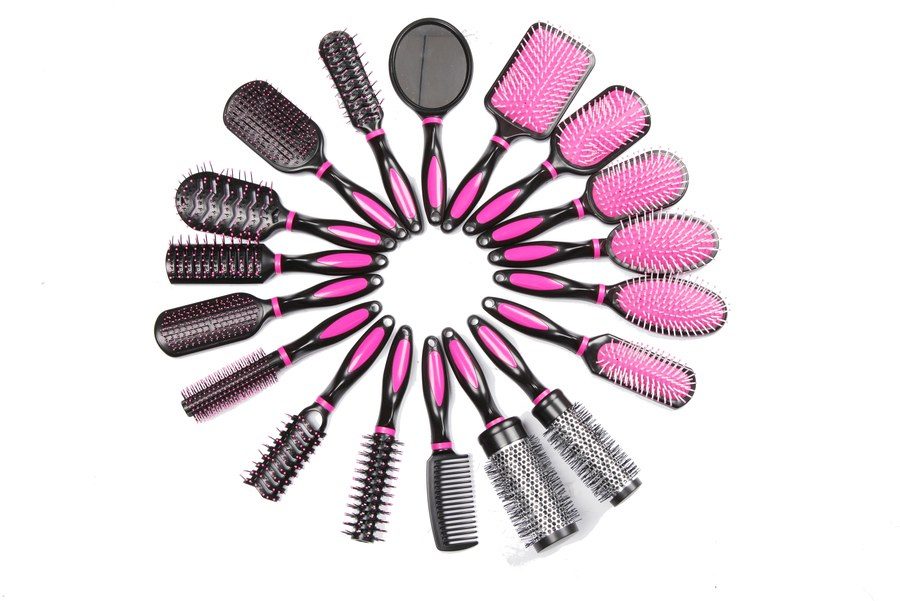
4. Surface Finish: Shiny UV, Matt, Rubber Coating, Solid Color
The mold produces the shape. The finish produces the impression.
Shiny UV coating gives a high-gloss, glass-like surface that photographs extremely well — which is why it dominates e-commerce listings. Cost impact is moderate: an extra coating line, extra handling, and a higher rejection rate on visible parts.
Matt finish reads as premium and hides fingerprints and scratches, which matters for dark colors and for products that will be handled in-store. Matt is usually achieved with a matt lacquer or a textured mold; the textured-mold route costs more up front (mold etching) but nothing per piece afterwards.
Rubber coating (soft-touch) is the most expensive of the four. It adds a separate process, needs masking on areas that must stay glossy, and has a narrower process window — so defect rates and minimum order quantities both go up. It is worth it on handles and grip areas where the tactile signal justifies the cost.
Solid color (masterbatch in the resin, no coating) is the cheapest route: color goes all the way through, so scratches do not show white, and there is no coating line at all. For a brush that lives in a wet bathroom, solid color is often the better engineering decision, not just the cheaper one.
A detail buyers forget: finish affects color matching tolerance. Gloss surfaces show color variation more than matte ones, so your approval process needs to account for that.
5. The Cushion: Color, Bristle Color, and Fragrance
The air cushion is where a standard brush becomes your brush — and it is the most customizable part of the product.
- Cushion color: the rubber or TPE pad can be produced in a different color from the body. Two-tone combinations (black body / pastel cushion, or transparent body / colored cushion) are the cheapest way to look like a different product.
- Bristle color: bristles can be matched to the cushion, to the logo, or to a seasonal palette. Colored bristles cost little more in material but do add setup time, so they become meaningful at low quantities.
- Fragrance: scented cushions are possible and sell well in gift and teen segments. Two warnings worth more than the feature itself. First, fragrance stability: the scent has to survive molding and 12+ months of shelf life, so it must be validated on samples, not assumed. Second, compliance: in the EU, fragrance allergens must be declared, and the fragrance should come with IFRA documentation. Ask for both before you commit to a scented SKU.
If you are customizing a cushion brush, our cushion hair brush range shows the standard constructions these options are applied to.
6. Bristles: Nylon, Boar-and-Nylon, or Fine Flocked
This is the single most misunderstood cost line, because all three look similar in a photo and behave completely differently in use.
Regular nylon bristles are extruded, cut to length, and tufted into the cushion, usually with ball tips. Durable, cheap, easy to color, works for every hair type. The cost variables are bristle diameter, tip treatment (ball tip vs cut tip), and tufts per square inch.
Boar bristle mixed with single nylon pins — a natural boar bristle pad with individual nylon quills inserted through it. The boar bristle distributes scalp oil and smooths the cuticle; the nylon pins penetrate thick hair and do the detangling. It is the classic "best of both" construction for premium cushion brushes, and the most expensive of the three, because natural bristle is a sorted, graded material with variable supply — and inserting individual nylon pins through a bristle pad is hand-intensive work. See the constructions on our boar bristle hair brush page.
Fine nylon flocking (the "wet brush" construction) uses very fine, flexible, densely packed nylon filaments with soft tips, designed to glide through wet, tangled hair without pulling. The material itself is not expensive; the cost is in filament density and tip quality — cheap flocking feels scratchy and matts within weeks, which is exactly the complaint that kills repeat orders. This construction lives in its own category: see our detangling brush range and the vent hair brush page for the vented-cushion variant that keeps airflow high and drag low.
Model WDH2351 is our standard reference for this construction: fine flexible bristles, vented cushion for airflow, and a shape built for wet detangling. It is also the model most often requested with custom cushion color and logo when buyers build their own version — the full specification is on the Wet Cushion Brush WDH2351 product page.
Practical takeaway: if your target retail price sits under a certain point, fine flocking is the wrong choice — not because it cannot be made cheaply, but because it cannot be made cheaply *and* well.
7. Packaging: Seven Options, from OPP Bag to Display Set
Packaging is where quotes diverge most, and where buyers most often compare apples to oranges. Here is the ladder, cheapest to most expensive, with the cost driver behind each step.
| Packaging | Relative cost tier | What drives the price |
|---|---|---|
| OPP bag (with or without header print) | Lowest | Film thickness, print on bag |
| Header card (blister-free hanging card) | Low | Card GSM, print colors, mounting labor |
| Color box | Medium | Board grade, print colors, finishing (varnish / foil), assembly labor |
| PET box | Medium | Material thickness, printing method, insert |
| Blister (card + clear blister) | Medium–high | Tooling for the blister, sealing process, retail compliance |
| Organza gift pouch | Medium | Fabric grade, ribbon, print method |
| Velvet pouch | High | Fabric grade, drawstring, hot-stamp logo |
| Display box set (multi-piece) | Highest | Multiple components, inserts, assembly time, larger carton |
Three things worth knowing that rarely appear in a quote sheet:
- Packaging changes volumetric weight. A color box that adds 15 mm to each dimension can add a full freight tier across a 20-foot container. Always ask for the master carton dimensions, not just the unit price.
- Print colors are priced in steps. One-color print and four-color print are different processes with different setup costs; the step from 4C to 4C + spot UV is another jump.
- Assembly is labor. A display set with six components and foam inserts is not "packaging" in the cost model — it is assembly, and it is priced per hour of handwork.
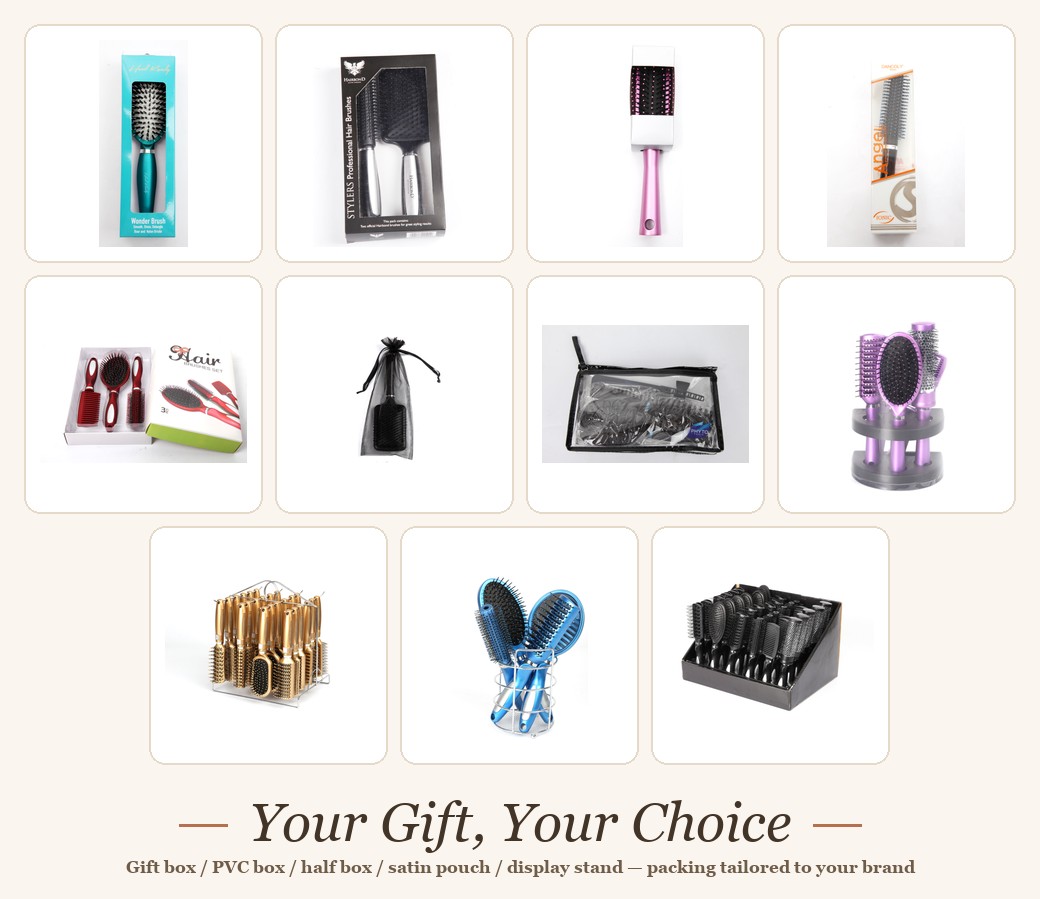
Gift-ready combinations and boxed sets are shown on our hairbrush set page.
8. Shipping: Sea, Air, Sea + DDP, Rail + DDP to Europe
Freight does not change the factory price, but it changes the number you actually pay, and it is where inexperienced buyers lose the most money.
| Method | Typical transit time | Best for | Cost behaviour |
|---|---|---|---|
| Sea freight (FCL / LCL) | 30–40 days to EU/US ports | Volume orders, non-urgent restock | Lowest per kg, highest working-capital lock-up |
| Air freight | 5–8 days | Samples, launches, urgent replenishment | Highest per kg, only viable for light, high-value SKUs |
| Sea + DDP door delivery | 35–45 days | Buyers without import experience | One number, duty and VAT included, least flexibility |
| Rail + DDP (Europe routes) | 20–28 days | European restocks needing faster than sea | Between sea and air, route-dependent |
The Incoterm trap. FOB, CIF and DDP quotes are not comparable. DDP includes duty and VAT and the forwarder's margin, so it will always look 15–30% higher than FOB for the identical product. Compare like with like, or you will "save" money by switching to a quote that quietly excludes customs.
The rail route note. Rail + DDP into Europe is genuinely useful for mid-weight restocks — faster than sea, far cheaper than air — but schedules and border handling vary by route and season. Confirm current transit windows with your forwarder rather than trusting last year's number.
One structural tip: because packaging drives volume and volume drives freight, a 10% reduction in carton size often saves more than a 5% cut in unit price. Ask your supplier for a carton optimization pass before you sign.
9. Quantity: How MOQ and Price Breaks Actually Work
Two cost elements behave differently with volume.
Mold and tooling cost is one-time. It is either charged separately or amortized into the unit price across the first order. If it is amortized, a small first order carries a heavy per-unit burden — which is why the same brush quoted at 1,000 pieces and at 100,000 pieces can differ by 10% or more. Always ask: *is tooling included, and at what quantity does it stop being amortized?*
Setup and material buying recur per order. Color change, print setup, packaging print run, and resin minimum purchase quantities all create step costs that vanish as quantity rises.
An indicative shape (illustrative only, not a quote):
| Order quantity | Relative unit cost index |
|---|---|
| 1,000 pcs | 100 |
| 3,000 pcs | ~98 |
| 5,000 pcs | ~96 |
| 50,000 pcs | ~93 |
| 100,000 pcs | ~88 |
The curve flattens in the middle and drops again sharply at full container quantities, where mold amortization is fully absorbed and resin is bought by the tonne. The practical takeaway: the first step up from MOQ buys you peace of mind, but the real discounts live at container scale — plan your cash flow accordingly.
10. The Costs Buyers Forget to Budget
- Testing and certification: REACH/SVHC declarations, LFGB or FDA food-contact testing if relevant, prop 65 for California, drop tests for retail compliance. Each has a cost and a lead time.
- Inspection: third-party inspection is usually 200–350 USD per man-day and can move your ship date.
- Duty and VAT: varies by HS code and destination. Confirm the HS code with your customs broker — a misclassified brush can cost far more than any price negotiation.
- Exchange rate: if you quote in USD and pay in RMB, a 3% currency move can erase your margin. Build a buffer or agree on a rate-adjustment clause.
- Storage and dead stock: the cheapest unit price on 20,000 pieces is expensive if 8,000 of them sit for two years.
11. How to Compare Quotes Fairly: Five Questions
Send these five questions with every RFQ. The replies will tell you more than the price number.
- 1. What is the exact material and part weight (grams per piece)?
- 2. Is tooling included, and at what quantity is it fully amortized?
- 3. Which packaging is quoted — and what are the master carton dimensions and CBM?
- 4. Which Incoterm, and does it include duty and VAT?
- 5. What is the stated defect rate and the remedy if incoming inspection fails?
A supplier who answers all five precisely is a supplier who has quoted this product before. A supplier who answers "yes, all fine" is quoting you a hope.
FAQ: Hair Brush Wholesale Pricing
Why is my quote higher than the price I saw on a B2B platform?
Platform listings usually show the lowest configuration at the highest quantity: OPP bag, standard color, no logo, 10,000 pieces, FOB. Add custom color, logo, retail packaging and a smaller quantity, and the same brush costs meaningfully more.
Does a custom logo add much to the unit price?
Less than buyers expect at volume. Silk screen or heat transfer adds a modest per-piece cost plus a one-time setup; the real driver is how many print colors and whether the logo sits on a curved surface.
Can I mix colors in one order?
Usually yes, with a minimum per color. Color changes add setup time, so the per-color minimum is where the cost lives — not in the paint.
Is wheat straw actually more eco-friendly?
It reduces fossil-plastic content and supports an eco-positioning story, but it is not biodegradable. Confirm the exact claim wording against your market's advertising rules before printing it on packaging.
What is the fastest realistic timeline for a custom brush?
Sample in 7–12 days, mass production typically 25–35 days after sample approval, plus transit. Packaging with custom printing adds its own lead time — often the real critical path.
Get a Quote on Your Actual Specification
Send us your spec sheet — material, bristle construction, cushion color, packaging type, target quantity and destination — and we will come back with a line-by-line breakdown instead of a single number, so you can see exactly where the cost sits and where it can be removed.
- WhatsApp: +86 159 5749 9644
- Email: info@wondew.com
- Factory: Ningbo, Zhejiang, China — contact page
*Related reading: How to choose a private label hair brush manufacturer · Detangling brush vs paddle brush · How to choose hair brushes for retail*
Need a hair brush supplier?
We manufacture plastic hair brushes, detangling brushes and hairbrush sets in Ningbo, China. Get factory-direct prices with your logo.
Get a Quote